Beginner’s Guide to Automotive Maintenance: Simple Car Care Tips to Save Money and Extend Vehicle Life
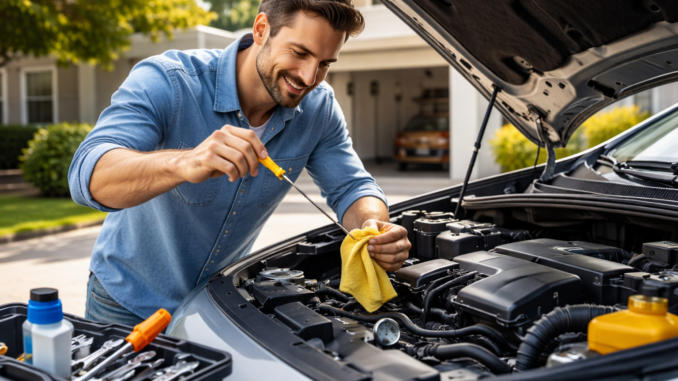
Owning a car is a major investment, and proper automotive maintenance is the key to protecting that investment. Many beginners believe car maintenance is complicated or expensive, but in reality, simple and regular care can save thousands of dollars in repairs while extending the life of your vehicle.
This beginner’s guide to automotive maintenance explains easy, practical car care tips that anyone can follow. Whether you drive a brand-new vehicle or an older model, these maintenance habits will help your car run smoothly, safely, and efficiently for years to come.
Why Automotive Maintenance Matters
Regular car maintenance is not just about avoiding breakdowns. It directly impacts your vehicle’s performance, fuel efficiency, safety, and resale value.
When small issues are ignored, they often turn into major mechanical problems. For example, skipping oil changes can lead to engine damage, while neglected tires can reduce fuel economy and increase accident risk. Proper maintenance helps you:
- Reduce unexpected repair costs
- Improve fuel efficiency
- Extend vehicle lifespan
- Maintain road safety
- Increase resale value
For beginners, understanding basic maintenance is the first step toward becoming a responsible car owner.
Understanding Your Vehicle’s Owner’s Manual
One of the most overlooked tools in automotive maintenance is the owner’s manual. Every car comes with a manual that outlines recommended service intervals, fluid types, tire pressure levels, and maintenance schedules.
Beginners should take time to:
- Learn warning light meanings
- Understand service intervals
- Identify recommended oil and fluids
- Follow manufacturer maintenance guidelines
Following the owner’s manual ensures your car receives proper care and prevents costly mistakes.
Regular Oil Changes: The Lifeline of Your Engine
Engine oil lubricates moving parts, reduces friction, and prevents overheating. Over time, oil becomes dirty and less effective, which can damage the engine.
Oil Change Tips for Beginners
- Change oil every 5,000–10,000 kilometers (depending on oil type and vehicle)
- Use the oil grade recommended by the manufacturer
- Always replace the oil filter during oil changes
Regular oil changes are one of the easiest and most cost-effective ways to extend engine life.
Tire Care and Maintenance
Tires are the only part of your car that touches the road, making tire maintenance critical for safety and performance.
Check Tire Pressure Regularly
Underinflated or overinflated tires can:
- Reduce fuel efficiency
- Cause uneven wear
- Increase blowout risk
Check tire pressure at least once a month and before long trips.
Tire Rotation and Alignment
Rotating tires every 8,000–10,000 kilometers helps ensure even wear. Proper wheel alignment improves handling and extends tire life, saving money over time.
Brake System Maintenance
Your braking system is essential for safety. Ignoring brake maintenance can lead to dangerous driving conditions and expensive repairs.
Signs Your Brakes Need Attention
- Squeaking or grinding noises
- Vibrations when braking
- Soft or unresponsive brake pedal
- Longer stopping distances
Have your brakes inspected regularly, and replace brake pads before they wear out completely.
Battery Care and Electrical System
A weak or dead battery is one of the most common causes of breakdowns.
Battery Maintenance Tips
- Check battery terminals for corrosion
- Ensure connections are tight
- Replace batteries every 3–5 years
Extreme heat and cold can shorten battery life, so regular checks help prevent unexpected failures.
Fluid Checks and Top-Ups
Your car relies on multiple fluids to function properly. Beginners should regularly check and maintain:
- Engine coolant
- Brake fluid
- Transmission fluid
- Power steering fluid
- Windshield washer fluid
Low or dirty fluids can cause overheating, poor braking, and mechanical damage. Most fluid levels can be checked easily under the hood.
Air Filter and Cabin Filter Replacement
Air filters protect your engine from dust and debris, while cabin filters improve interior air quality.
Benefits of Clean Air Filters
- Better engine performance
- Improved fuel efficiency
- Cleaner air inside the vehicle
Replacing air filters every 15,000–30,000 kilometers is a simple and inexpensive maintenance task.
Keeping Your Car Clean Inside and Out
Regular cleaning is more than cosmetic—it helps protect your vehicle.
Exterior Care
- Wash your car regularly to remove dirt and salt
- Wax the paint to protect against corrosion
- Clean headlights for better visibility
Interior Care
- Vacuum carpets and seats
- Clean dashboard and controls
- Use sunshades to protect interior surfaces
A clean car maintains its appearance and resale value.
Monitoring Warning Lights and Dashboard Alerts
Modern vehicles use dashboard warning lights to alert drivers of potential issues.
Common warning lights include:
- Check engine light
- Oil pressure warning
- Battery alert
- Brake system warning
Never ignore warning lights. Addressing issues early can prevent serious damage and costly repairs.
Fuel Efficiency and Driving Habits
Your driving habits play a major role in vehicle maintenance and fuel costs.
Fuel-Saving Tips
- Avoid aggressive acceleration and braking
- Maintain steady speeds
- Reduce unnecessary weight in the car
- Turn off the engine during long stops
Smooth driving reduces wear on brakes, tires, and the engine.
Seasonal Automotive Maintenance Tips
Different seasons affect your vehicle differently.
Hot Weather Maintenance
- Check coolant levels
- Monitor tire pressure
- Protect interior from sun damage
Cold Weather Maintenance
- Test battery performance
- Use appropriate engine oil
- Check tire tread depth
Seasonal maintenance ensures reliable performance year-round.
When to DIY and When to Visit a Mechanic
While beginners can handle many maintenance tasks, some jobs require professional expertise.
DIY Tasks
- Checking fluids
- Changing air filters
- Monitoring tire pressure
- Cleaning the car
Professional Services
- Brake repairs
- Engine diagnostics
- Transmission servicing
- Suspension repairs
Knowing your limits helps avoid mistakes and ensures safety.
Keeping Maintenance Records
Maintaining a service record helps track repairs and scheduled maintenance. This includes:
- Oil changes
- Tire replacements
- Battery changes
- Major repairs
Service records increase resale value and help mechanics diagnose issues faster.
How Proper Maintenance Saves Money Long Term
Consistent automotive maintenance may seem like an expense, but it saves money in the long run. Preventive care reduces:
- Major repair costs
- Emergency breakdown expenses
- Fuel consumption
- Vehicle depreciation
Well-maintained vehicles last longer and require fewer costly repairs.
Conclusion
Automotive maintenance does not have to be difficult or expensive, especially for beginners. By following simple car care tips—such as regular oil changes, tire maintenance, fluid checks, and responsible driving habits—you can save money, improve safety, and extend your vehicle’s lifespan.
Learning basic maintenance skills empowers you as a car owner and helps you avoid unnecessary repairs. With consistency and awareness, your vehicle can remain reliable and efficient for many years to come.