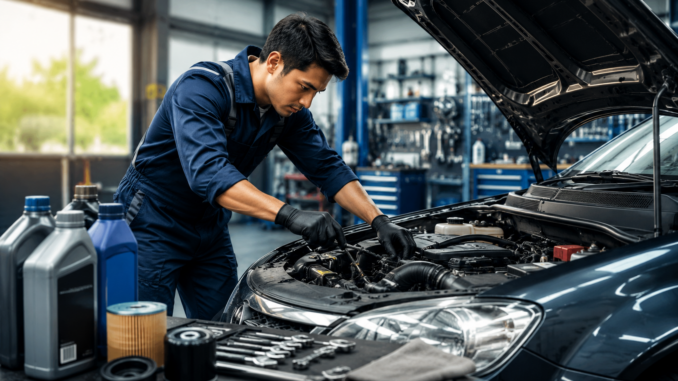
Ultimate Guide to Car Maintenance: Boost Performance and Extend Your Vehicle’s Lifespan
Proper car maintenance is essential for keeping your vehicle running smoothly, safely, and efficiently. Whether you drive daily or occasionally, regular upkeep can significantly boost performance, reduce repair costs, and extend your vehicle’s lifespan. In today’s fast-paced world, understanding basic automotive care is more important than ever.
This ultimate guide to car maintenance will walk you through everything you need to know, from routine checks to advanced tips, helping you keep your car in top condition.
Why Car Maintenance Matters
Regular vehicle maintenance is not just about avoiding breakdowns—it’s about ensuring safety, improving fuel efficiency, and preserving the value of your car. A well-maintained vehicle performs better, consumes less fuel, and has a longer lifespan.
Ignoring maintenance can lead to costly repairs and unexpected failures. Simple tasks like checking oil levels or tire pressure can prevent major mechanical issues down the road.
Regular Oil Changes: The Heart of Engine Health
Engine oil plays a crucial role in lubricating moving parts, reducing friction, and preventing overheating. Over time, oil breaks down and becomes less effective.
How Often Should You Change Oil?
- Every 5,000 to 10,000 kilometers (depending on your vehicle)
- Check your owner’s manual for specific recommendations
Benefits of Regular Oil Changes
- Improves engine performance
- Extends engine lifespan
- Enhances fuel efficiency
Neglecting oil changes can lead to engine damage, making this one of the most critical maintenance tasks.
Tire Maintenance: Safety Starts on the Road
Your tires are the only contact point between your car and the road, making them essential for safety and performance.
Key Tire Maintenance Tips
- Check tire pressure regularly: Under-inflated tires reduce fuel efficiency
- Rotate tires every 10,000 km: Ensures even wear
- Inspect tread depth: Replace tires when tread is too low
- Wheel alignment: Prevents uneven wear and improves handling
Proper tire maintenance not only improves safety but also enhances driving comfort and fuel economy.
Brake System Care: Ensuring Safety
Your car’s braking system is vital for preventing accidents. Worn brake pads or faulty components can compromise your safety.
Signs You Need Brake Service
- Squeaking or grinding noises
- Reduced braking performance
- Vibrations when braking
Regular brake inspections can help you catch problems early and avoid expensive repairs.
Battery Maintenance: Avoid Unexpected Breakdowns
A dead battery can leave you stranded at the worst possible time. Car batteries typically last 2–3 years, depending on usage and climate.
Battery Care Tips
- Check battery terminals for corrosion
- Ensure secure connections
- Test battery voltage regularly
Replacing your battery before it fails can save you from inconvenience and delays.
Fluid Checks: Keeping Everything Running Smoothly
Your vehicle relies on several fluids to function properly. Regularly checking and replacing these fluids is essential.
Important Fluids to Monitor
- Engine coolant: Prevents overheating
- Transmission fluid: Ensures smooth gear shifts
- Brake fluid: Maintains braking efficiency
- Power steering fluid: Improves steering control
Low or contaminated fluids can lead to serious mechanical issues if not addressed promptly.
Air Filter Replacement: Improve Engine Efficiency
A clean air filter allows your engine to breathe properly, improving performance and fuel efficiency.
When to Replace Air Filters
- Every 12,000 to 15,000 kilometers
- Sooner if driving in dusty conditions
Replacing a clogged air filter is a simple and cost-effective way to boost engine performance.
Spark Plug Maintenance: Smooth Engine Operation
Spark plugs ignite the fuel-air mixture in your engine. Worn spark plugs can cause poor performance and increased fuel consumption.
Signs of Worn Spark Plugs
- Engine misfires
- Difficulty starting the car
- Reduced fuel efficiency
Replacing spark plugs at recommended intervals ensures smooth engine operation.
Keeping Your Car Clean: More Than Just Appearance
Regular cleaning is not just about aesthetics—it also protects your vehicle from damage.
Benefits of Cleaning Your Car
- Prevents rust and corrosion
- Maintains paint quality
- Improves resale value
Washing your car regularly and applying wax can protect it from environmental elements.
Seasonal Maintenance Tips
Different seasons can affect your vehicle in various ways. Adjusting your maintenance routine accordingly can help prevent issues.
Summer Maintenance
- Check cooling system
- Monitor tire pressure (heat increases pressure)
- Inspect air conditioning system
Winter Maintenance
- Check battery health
- Use appropriate engine oil
- Inspect heating system
Preparing your car for seasonal changes ensures reliable performance year-round.
Advanced Diagnostics and Technology
Modern vehicles are equipped with advanced diagnostic systems that can detect potential issues early. Dashboard warning lights should never be ignored.
Using diagnostic tools or visiting a professional mechanic can help identify problems before they become serious.
The Importance of Regular Servicing
Even if your car seems fine, regular servicing by a professional is essential. Mechanics can spot issues that may not be visible to the average driver.
What Happens During a Service?
- Comprehensive inspection
- Fluid top-ups or replacements
- Component checks and adjustments
Routine servicing keeps your car in optimal condition and prevents unexpected breakdowns.
Driving Habits That Affect Car Lifespan
Your driving style plays a significant role in your vehicle’s longevity.
Good Driving Practices
- Avoid sudden acceleration and braking
- Maintain consistent speeds
- Do not overload your vehicle
Smooth driving reduces wear and tear on your car’s components.
Cost Savings Through Preventive Maintenance
Preventive maintenance may seem like an expense, but it actually saves money in the long run. Addressing minor issues early prevents costly repairs later.
Investing in regular maintenance ensures better performance, improved safety, and long-term savings.
Conclusion: Take Care of Your Car, and It Will Take Care of You
Car maintenance is not complicated, but it requires consistency and attention. By following these simple yet effective tips, you can boost your vehicle’s performance, extend its lifespan, and enjoy a safer driving experience.
From regular oil changes to tire care and smart driving habits, every step you take contributes to your car’s overall health. In the long run, proper maintenance not only protects your investment but also ensures peace of mind on the road.
Start implementing these car maintenance practices today and keep your vehicle running like new for years to come.