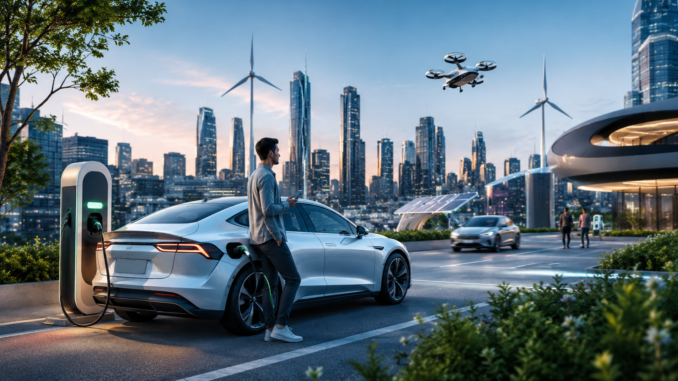
Top Automotive Trends in 2026: Electric Vehicles, Smart Tech, and the Future of Driving
The automotive industry is evolving at an unprecedented pace, and 2026 is shaping up to be a defining year for innovation, sustainability, and advanced technology. From the rapid rise of electric vehicles (EVs) to the integration of smart technologies and autonomous driving systems, the way we think about cars is undergoing a major transformation. Whether you are a car enthusiast, a daily commuter, or an industry professional, understanding the top automotive trends in 2026 can help you stay ahead of the curve.
In this article, we explore the most important automotive trends shaping the future of driving, including electric mobility, smart car technology, connectivity, and sustainability.
The Rise of Electric Vehicles (EVs)
One of the most significant automotive trends in 2026 is the continued growth of electric vehicles. Governments around the world are pushing for reduced carbon emissions, and automakers are responding by expanding their EV lineups.
Electric vehicles are no longer niche products. They are becoming mainstream due to improvements in battery technology, increased driving range, and more accessible charging infrastructure. In 2026, many EVs can travel over 500 kilometers on a single charge, making them practical for everyday use.
Key Benefits of Electric Vehicles
- Lower emissions: EVs produce zero tailpipe emissions, making them environmentally friendly.
- Reduced fuel costs: Electricity is generally cheaper than gasoline.
- Less maintenance: Fewer moving parts mean fewer repairs and lower maintenance costs.
Additionally, advancements in fast-charging technology allow drivers to recharge their vehicles in under 30 minutes, significantly improving convenience.
Expansion of Charging Infrastructure
As electric vehicles become more popular, the demand for charging stations continues to grow. In 2026, both urban and rural areas are seeing a significant increase in public charging points.
Governments and private companies are investing heavily in charging networks, including ultra-fast chargers and wireless charging solutions. Home charging systems are also becoming smarter, allowing users to schedule charging during off-peak hours to save money.
This expansion is crucial for eliminating range anxiety and encouraging more drivers to switch to electric vehicles.
Smart Car Technology and Connectivity
Modern vehicles are becoming more than just modes of transportation—they are evolving into connected smart devices. In 2026, smart car technology is one of the most exciting trends in the automotive world.
Features of Smart Vehicles
- Advanced infotainment systems: Touchscreens, voice control, and AI-powered assistants
- Real-time navigation: Live traffic updates and route optimization
- Vehicle-to-everything (V2X) communication: Cars can communicate with other vehicles, infrastructure, and even pedestrians
Connectivity allows vehicles to receive over-the-air (OTA) updates, improving performance and adding new features without requiring a visit to a service center.
Autonomous Driving Technology
Self-driving cars are no longer a futuristic concept—they are becoming a reality. In 2026, many vehicles offer advanced driver-assistance systems (ADAS), such as adaptive cruise control, lane-keeping assist, and automated parking.
While fully autonomous vehicles are still under development, semi-autonomous features are becoming standard in many new cars.
Benefits of Autonomous Driving
- Improved safety: Reduces human error, which is the leading cause of accidents
- Enhanced convenience: Drivers can relax during long trips
- Better traffic flow: Smart systems can optimize traffic patterns
As technology advances, we can expect higher levels of automation in the coming years.
Sustainability and Eco-Friendly Materials
Sustainability is a major focus in the automotive industry. In 2026, automakers are not only reducing emissions but also rethinking how vehicles are manufactured.
Many companies are using recycled and eco-friendly materials in vehicle interiors, such as vegan leather, recycled plastics, and sustainable fabrics.
Additionally, manufacturers are working to reduce the carbon footprint of production processes by using renewable energy and optimizing supply chains.
The Growth of Hybrid Vehicles
While electric vehicles are gaining popularity, hybrid vehicles continue to play an important role in the transition to full electrification. Hybrid cars combine a gasoline engine with an electric motor, offering improved fuel efficiency and lower emissions.
In 2026, plug-in hybrid vehicles (PHEVs) are particularly popular, as they allow drivers to travel short distances on electric power alone while still having the flexibility of a traditional engine for longer trips.
Advanced Safety Features
Safety remains a top priority in the automotive industry. In 2026, vehicles are equipped with cutting-edge safety technologies designed to protect both drivers and passengers.
Common Safety Innovations
- Automatic emergency braking (AEB)
- Blind-spot monitoring
- Driver monitoring systems
- 360-degree cameras
These features help prevent accidents and provide peace of mind for drivers.
Digital Retail and Online Car Buying
The way people buy cars is changing. In 2026, digital retail platforms are becoming increasingly popular, allowing customers to browse, customize, and purchase vehicles online.
Virtual showrooms, augmented reality (AR), and home delivery services are transforming the car-buying experience. Customers can now compare models, explore features, and even complete financing—all from the comfort of their homes.
Subscription Services and Mobility Solutions
Car ownership is no longer the only option. In 2026, subscription services and shared mobility solutions are gaining traction, especially in urban areas.
These services allow users to access vehicles on demand without the long-term commitment of ownership. This trend is particularly appealing to younger generations who value flexibility and convenience.
The Role of Artificial Intelligence (AI)
Artificial intelligence is playing a crucial role in shaping the future of the automotive industry. AI is used in various applications, including:
- Predictive maintenance
- Driver behavior analysis
- Autonomous driving systems
- Personalized in-car experiences
AI-powered systems can learn from user behavior and adapt to individual preferences, creating a more personalized driving experience.
5G Technology and Faster Connectivity
The rollout of 5G networks is enhancing vehicle connectivity in 2026. Faster internet speeds enable real-time data sharing, improving navigation, safety, and entertainment systems.
5G also supports advanced features like autonomous driving and vehicle-to-infrastructure communication, making roads safer and more efficient.
Conclusion: The Future of Driving
The automotive industry in 2026 is defined by innovation, sustainability, and digital transformation. Electric vehicles, smart technologies, and autonomous systems are reshaping the way we drive and interact with our vehicles.
As these trends continue to evolve, the future of driving promises to be safer, cleaner, and more connected than ever before. Whether you are considering buying a new car or simply interested in the latest advancements, staying informed about these trends will help you navigate the rapidly changing automotive landscape.
By embracing these innovations, both consumers and manufacturers can contribute to a more sustainable and efficient future for transportation.